Rogue Can Detector
Stop the wrong can
before it ships.
Verify that every can matches the drink being filled—even when labels look almost identical.
We inspect the entire label to identify the can and catch subtle SKU differences, including import/export markings.
Also detects fallen and damaged cans.
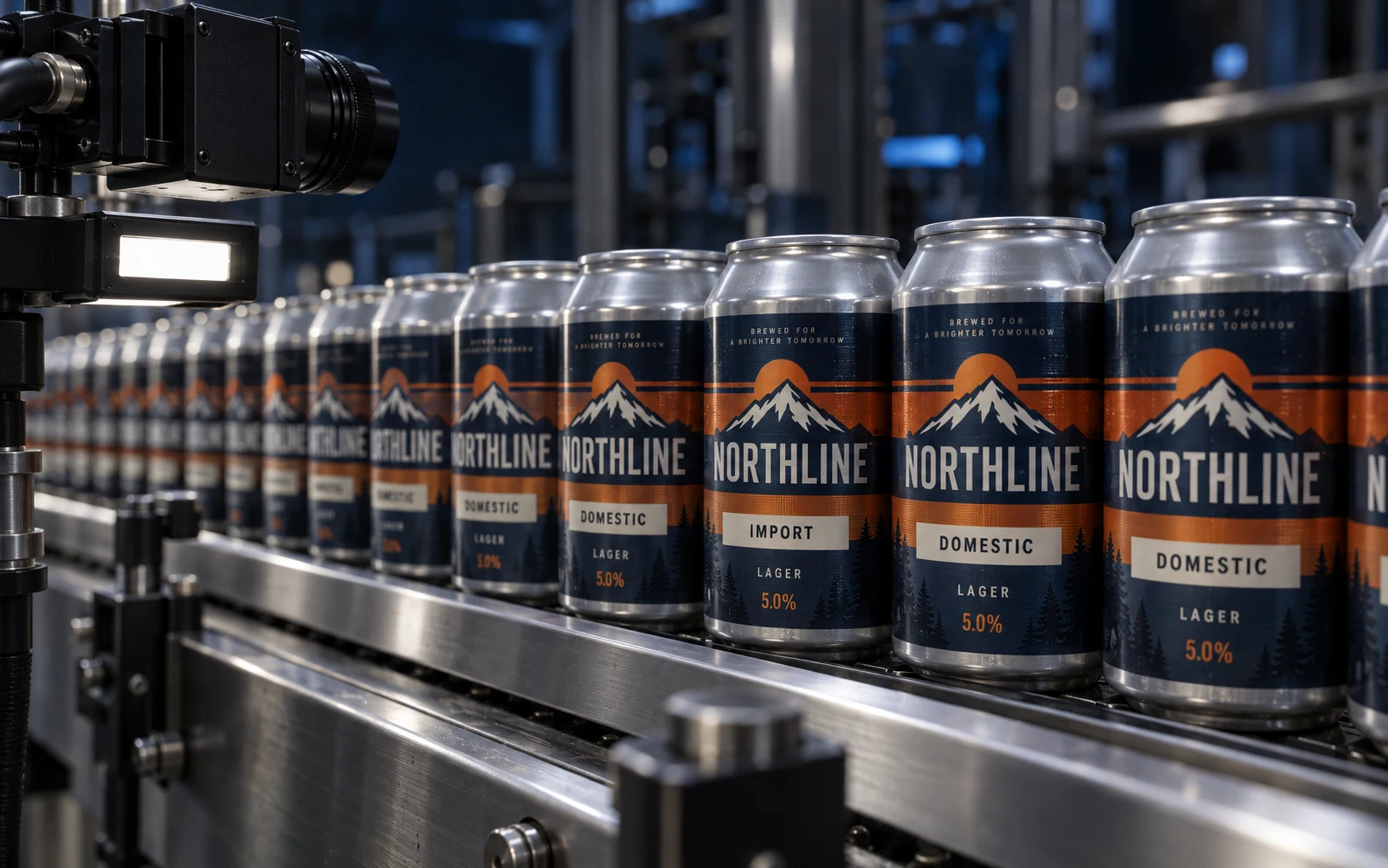
Actual inspection speed is measured in milliseconds. MarshallAI can comfortably inspect over 150,000 units per hour.
- 150,000+ cans/hour
- Inspection at full production speed.
- No reconfiguration
- Automatic recognition between batches and SKUs.
- From the first can
- No learning period at batch changeover.
- Reduce recall risk
- Avoid batch-wide manual inspections
- Protect your brand


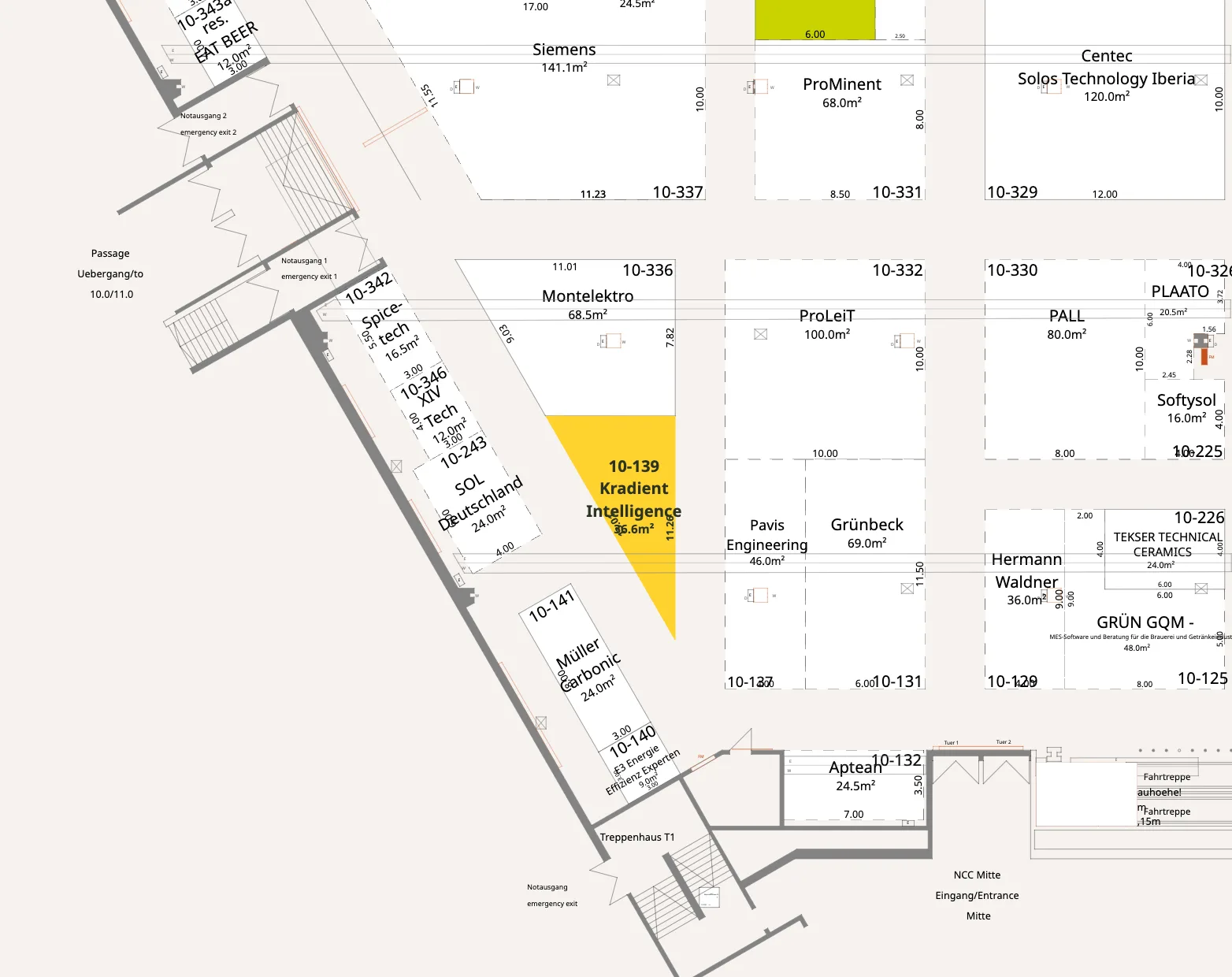
Complete inspection station
Rogue Can Detector station
Identify foreign cans and mismatched SKUs on your production line. One complete system: software, hardware, deployment and support.
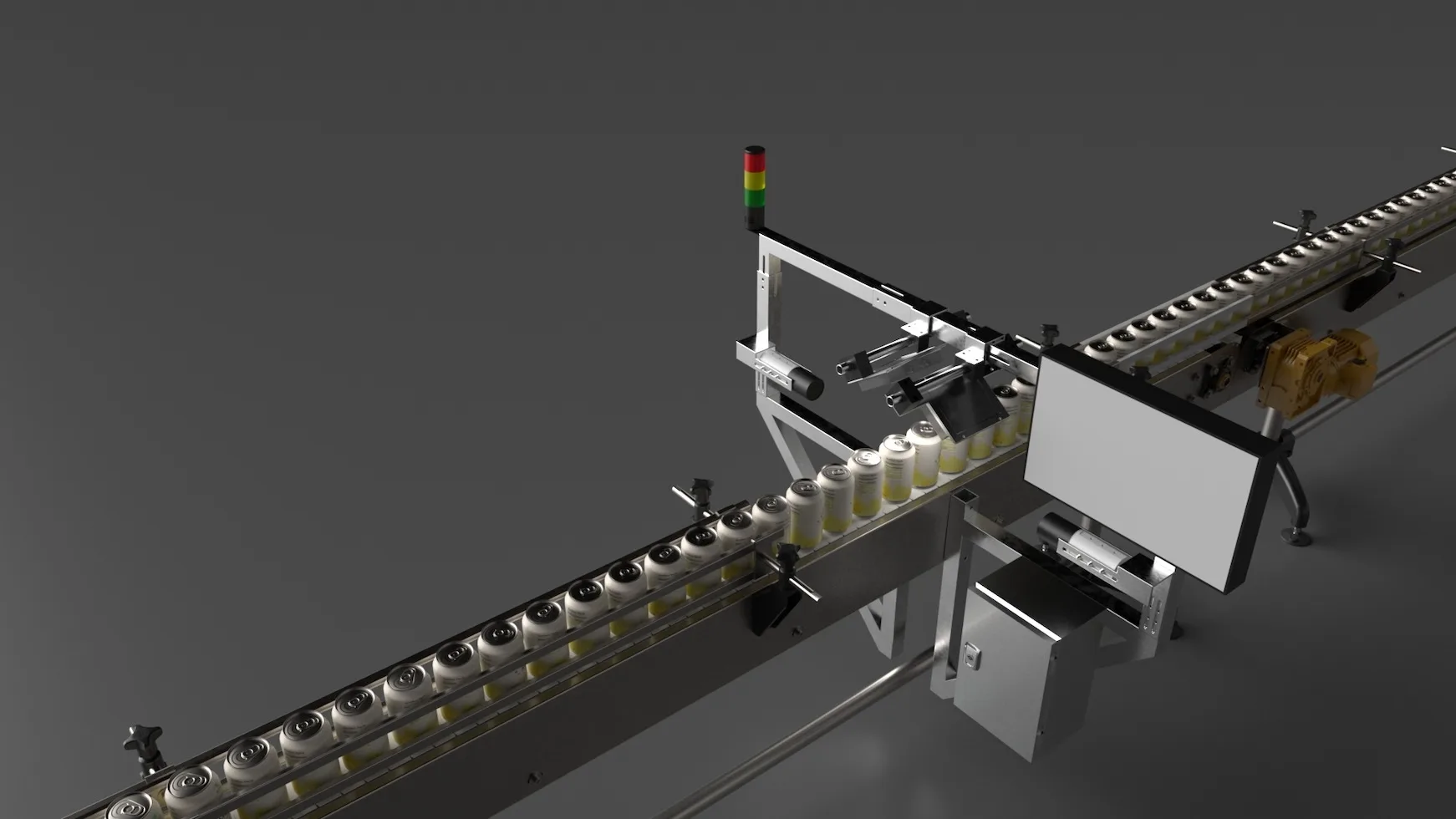
- 2 cameras
- With inspection lighting
- Full label
- Whole label inspection.
- On-site
- Edge processing
What’s included
Software
- AFSA deep learning platform for annotation, model training, evaluation and inspection analytics.
Hardware
- Two cameras and lighting for a 360° view of the can.
- IP-protected edge processing hardware.
- All mounts, supports and cabling.
Deployment
- On-site data collection and model development. Evaluation and refinement until all agreed KPIs are met.
- Hardware scoping, installation and rigging.
- Integration with your rejection system, PLC, MES and ERP.
Support
- On-site service and system support.
- Remote monitoring and troubleshooting when needed.
Full production speed: inspection rate of over 2500 cans per minute. Performance can be scaled with processing hardware.
Zero Changeover Downtime: Recognizes each SKU automatically as it starts running. No operator “train” step, no teaching the system between batches. Perfect for even small batches.
No ramp-up period: Flags a mismatched can the moment it appears. No ramp-up period or sample run needed.
99.99995% Detection Accuracy: a well trained model can reach extremely high accuracy and low false positive rates even at full line speed.
Fallen, misaligned and damaged can detection: our station can detect other abnormalities.
– Customer, beverage industry
Why Foreign / Rogue Cans Slip Past
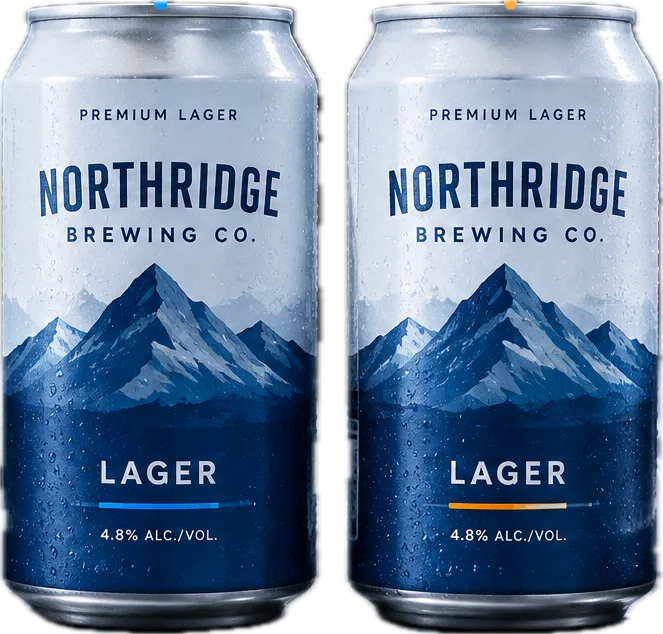
A rogue can happens when an empty can meant for one product ends up on the wrong filling line — a domestic-market can filled with an export formulation, or a leftover can from the previous batch mixed into a new run.
According to our estimates there are hundreds of rogue can incidents each year globally and only a small percentage are caught.
Because SKUs in a portfolio can share near-identical can geometry and print design, the two cans can look almost identical to a traditional inspection system.
- Traditional label verifiers are not built to tell apart two versions of the same label with only a subtle formulation difference.
- Traditional systems can be hard to tune, tightening thresholds to catch subtle differences means risking more false rejects.
What to look for in rogue can inspection
The questions worth asking.
The details that matter.
Your closest SKU variants and busiest changeovers are the real test. Use these five questions to evaluate an inspection solution for your line.
| What matters on your line | What to askYour inspection checklist | The MarshallAI approachRogue Can Detector |
|---|---|---|
| Label coverage | How much of the label is inspected?Ask whether the system checks a selected area or the full label around the can, including different can orientations. | Full-label identityInspects the full label around the can and verifies its identity against the expected SKU. |
| Near-identical SKUs | Can it distinguish your closest variants?Test with your hardest-to-separate SKUs: small export markings, language differences and nearly identical artwork. | Trained on SKU-specific detailsDetects distinguishing features such as domestic/export markings, with performance validated on your cans. |
| Batch changeovers | What happens at the first can?Check whether operators must select a recipe or teach a batch, and how inspection works during the transition. | No per-batch re-teachingAutomatically recognizes changeovers between trained SKUs, with inspection active from the first can. |
| Detection performance | What is validated at your line speed?Request separate results for missed defects and false rejects, using representative cans and agreed operating conditions. | Validated against agreed KPIsDetection and false-reject targets are agreed for your application and validated on your SKUs at operating speed. |
| Inspection scope | Which checks can share one station?Confirm which defects the proposed configuration covers and what additional hardware or software is required. | Multiple checks. One station.Combine rogue-can, fallen-can and damaged-can detection in one configured inspection station. |
On smaller screens, swipe sideways to see the full checklist.
Every deployment starts with application-specific training and validation. New SKUs may require model updates. Inspection scope and acceptance targets are agreed for your configuration.
Case studies
-
 Eliminating Rogue Cans: High-Speed QA in Beverage Manufacturing
A global beverage manufacturer spent 15 years trying to reliably intercept “rogue cans” on their high-speed filling lines. Discover how MarshallAI deployed a minimal latency edge vision system to inspect 2,500 cans per minute, preventing mismatched products and costly mechanical jams with near-perfect precision.
Beverage industry Quality assurance
Questions & Answers
Does MarshallAI need to “learn” each new SKU before it can protect the line?
No. Every SKU in your portfolio is modeled in advance, so the system recognizes what’s running the moment a changeover happens. There’s no operator-triggered training step and no window where the line is unprotected.
What happens when a rogue/foreign can is detected?
We can issue an alert, halt the line or integrate with a rejection mechanism. Timelined statistics are also provided for total products and faulty products for OEE optimisation and root cause analysis.
Can it tell apart two versions of the same can — like a domestic and export variant?
Yes. This is exactly where MarshallAI excels. Because the model verifies a can’s full identity rather than comparing print patterns against a similarity threshold, it catches differences that fall below what pattern-matching systems are tuned to flag.
Does inspection data leave our facility?
No. Processing runs entirely on-site. Detection images and production data stay on your network.
Will this slow down our line or require a new SKU program for every product?
No. MarshallAI runs at full line speed: 2500+ cans a minute and handles SKU changeovers automatically, with no reconfiguration required.